
Leaves stay wet for hours, and dense crops make humidity difficult to judge in every row. Measurements help reveal adverse conditions sooner and trigger an agreed response.
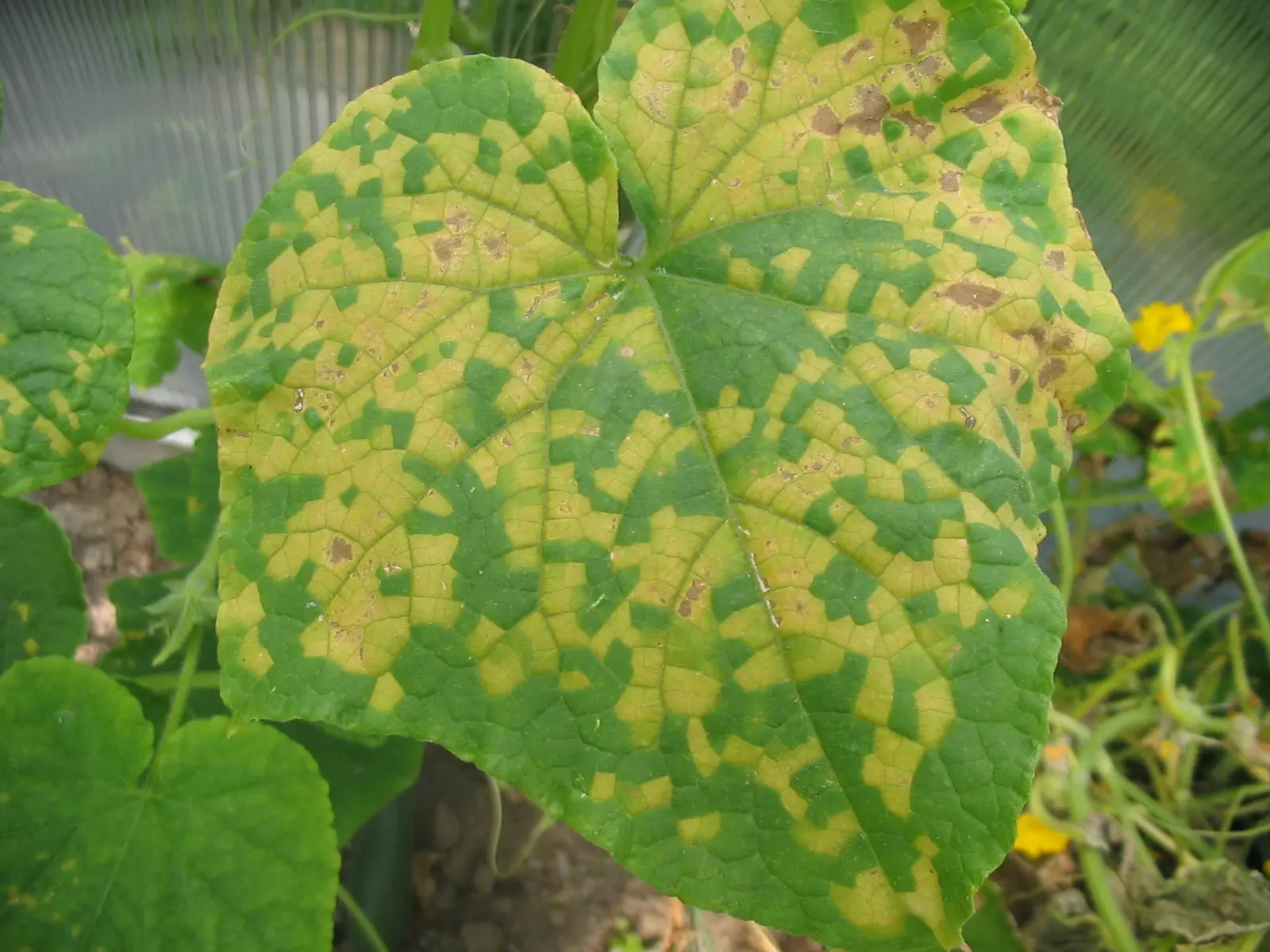
Moisture favours disease when the pathogen is present
Downy mildew requires the pathogen to be present. Prolonged leaf wetness facilitates infection, and humid conditions favour disease development. Mississippi State University explains the disease.
- Inspect leaves: unusual spots need their cause identified.
- Check dense crop zones: a reading near the entrance may not describe the air between plants.
- Consider duration: check how long elevated humidity persists.
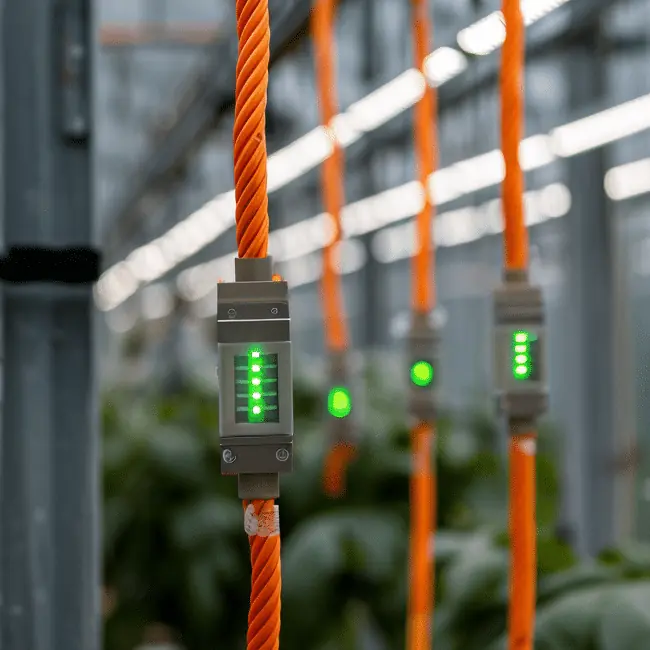
Measure humidity where the cucumbers grow
Sensor Matrix shows air temperature and humidity in selected zones. Microclimate maps and measurement history help identify places that stay humid longest.
- Position sensors: among plants, at different heights and across several parts of the facility.
- Set an alert: when your humidity threshold is exceeded for a chosen duration.
- Compare zones: before ventilation starts and after it has been running.

Activate air circulation and effective ventilation
After integration, Planter can activate fans and control vent motors. Circulation evens out conditions between plants; removing moisture from the facility requires effective air exchange. UMass Extension explains circulation principles.
- Humidity remains high: you receive an alert and the agreed response starts.
- Outside conditions allow drying: vents admit air that can take up moisture after warming.
- Check subsequent readings: if humidity does not fall, adjust settings or the drying approach.
Find humid zones in your cucumber crop
Tell us the facility dimensions, describe ventilation and when humidity is highest. We will choose sensor locations and discuss possible equipment responses.
Choose Planter for your crop We tailor sensor count and control to the facility. You can start with monitoring and alerts.
