
On a sunny day, a crop needs light, but exposed fruit can suffer from intense sunlight and heat. Combine measurements at plant level with shading that responds to conditions.
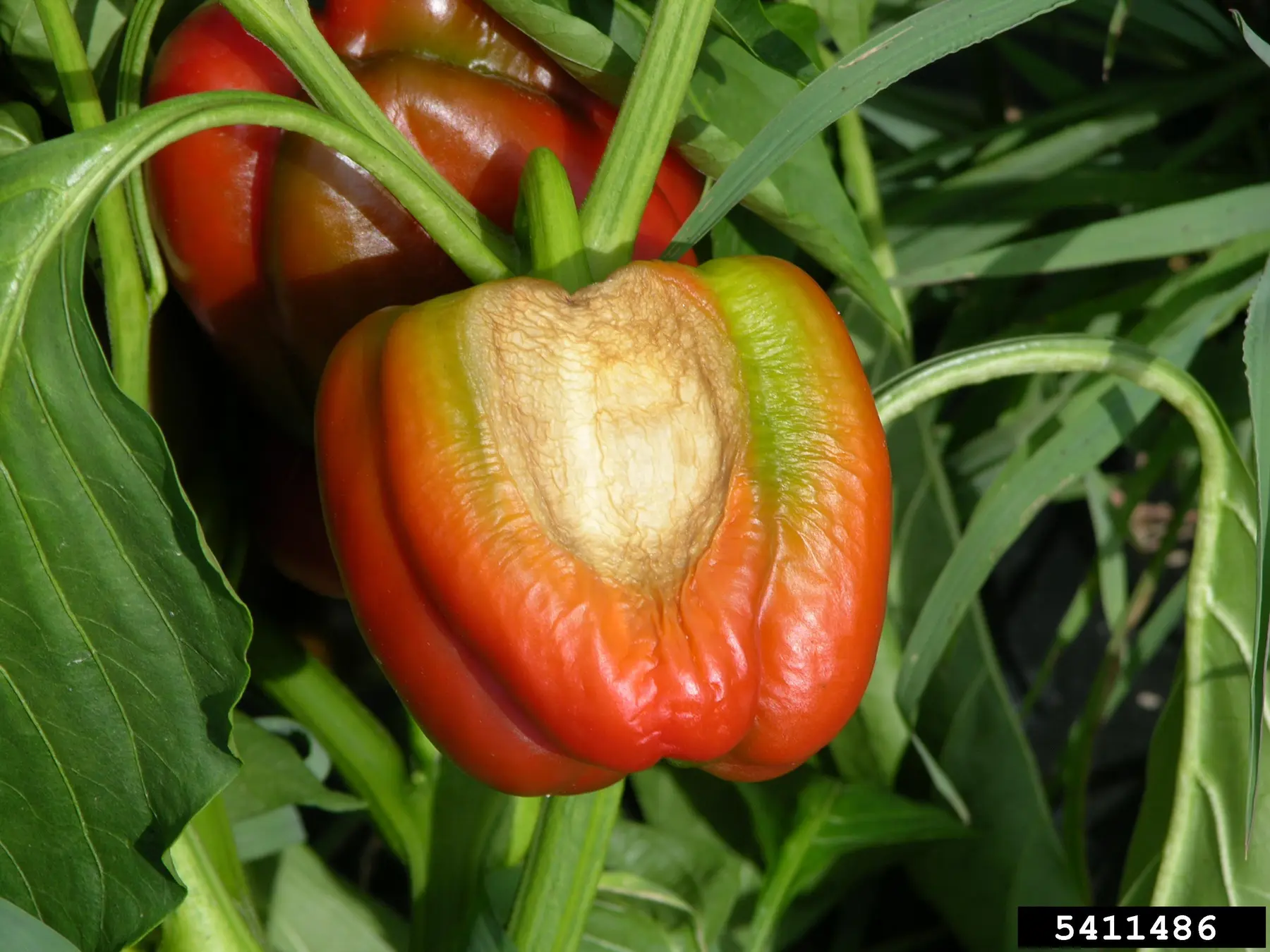
Exposed fruit needs attention
Prolonged direct sunlight, especially in hot weather, can produce pale, damaged areas on the sun-facing side of fruit. Losing leaf cover increases exposure. University of Maryland Extension explains sunscald.
- Check exposed fruit: particularly along crop edges and in strongly lit rows.
- Inspect plants: sensors do not replace checking fruit and foliage.
- Compare conditions: identify when and where light and air temperature are highest.
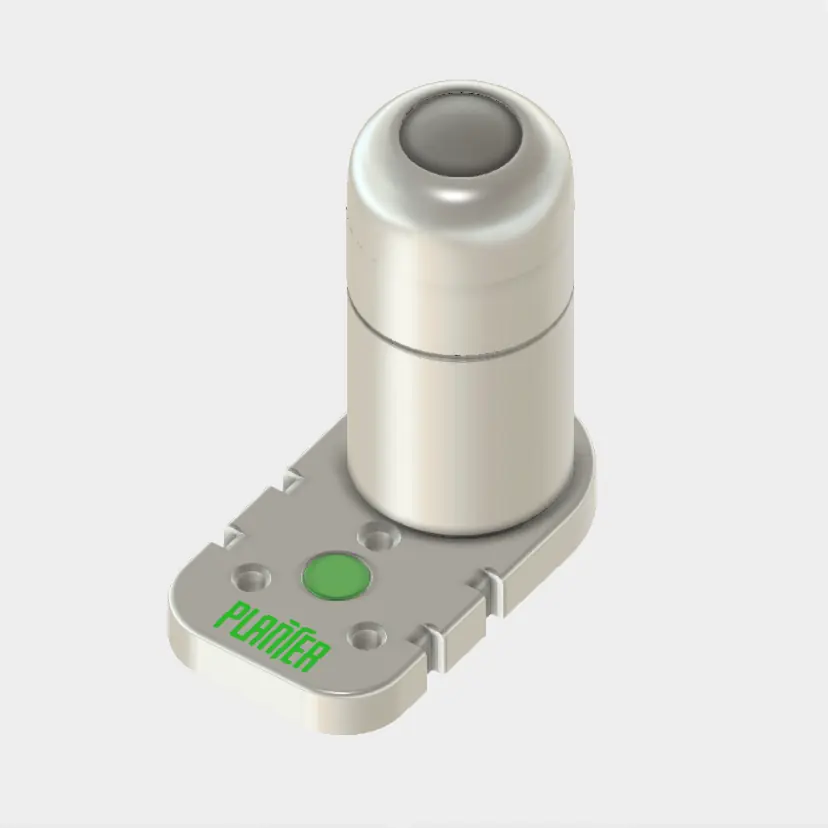
Combine light measurements with a temperature map
The light sensor shows light reaching plants, while Sensor Matrix measures air temperature and humidity at selected locations and heights. In the app, you compare readings with microclimate maps and measurement history.
- PPFD — light now: helps identify intense light at a given moment.
- DLI — the daily dose: helps track how much light the crop has received.
- Temperature — differences between zones: reveals where air heats up most.
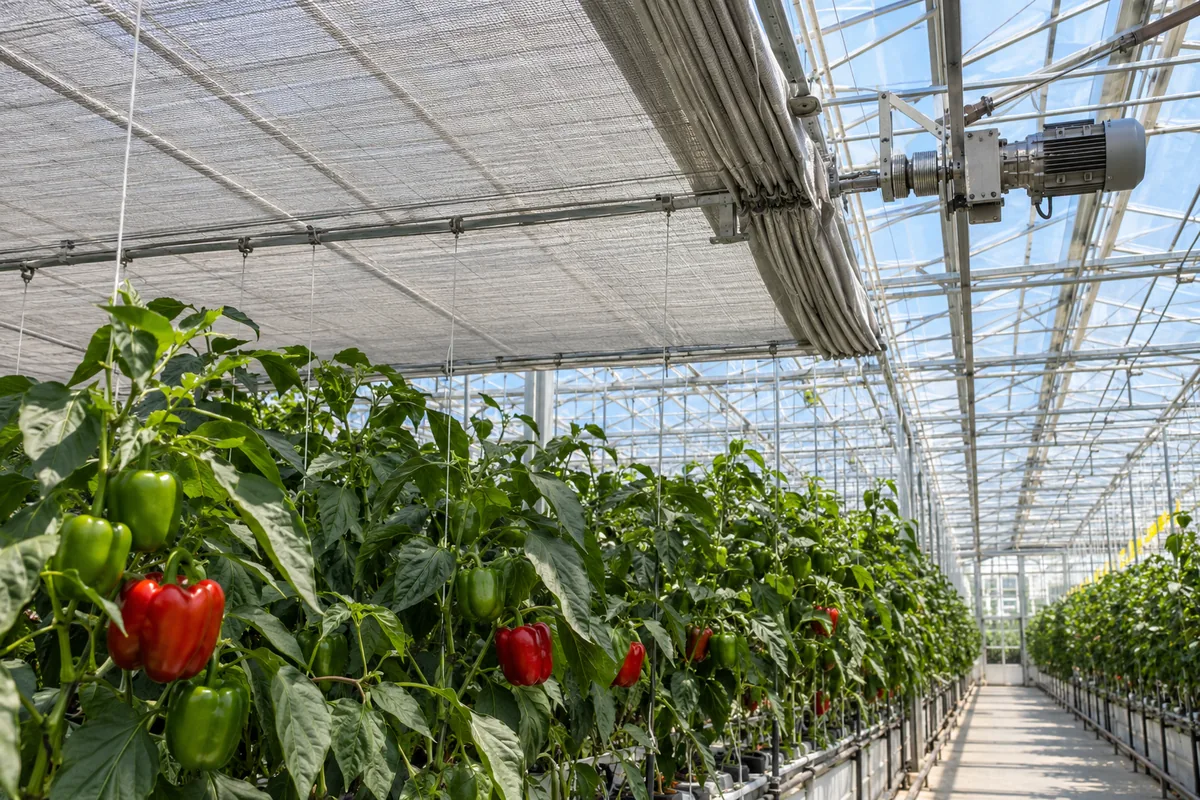
Activate shading when it is needed
After integration with a shade-screen motor, Planter can deploy the screen when readings exceed agreed thresholds. We set the response together, considering crop needs and equipment capabilities.
- Intense light and rising temperature: you receive an alert and the connected screen deploys according to the agreed rule.
- Less sunlight: a rule can retract shading to avoid unnecessarily limiting light.
- Check the effect: compare readings before and after the response, then refine settings.
Choose measurements and shading for your peppers
Tell us about your facility, its covering and the hours of strongest sunlight. We will choose measurement locations and discuss control integration.
Talk about your crop We tailor sensor count and control to the facility. You can start with measurements and alerts.
